
Acupuncture is one of the most well-known practices within Traditional Chinese Medicine (TCM), yet many people don’t realize there are different styles of acupuncture. Two of the most commonly discussed approaches are Five Element Acupuncture and Traditional Chinese Medicine (TCM) Acupuncture.
While both share ancient roots and foundational principles, they differ in philosophy, focus, and treatment strategy. Understanding these differences can help you decide which approach may best support your health and wellness goals.
Shared Foundations: Where They Overlap
Both Five Element Acupuncture and Traditional Chinese Medicine Acupuncture:
- Use fine, sterile needles placed along meridians
- Work with the concept of Qi (vital energy)
- Recognize organ systems as energetic networks
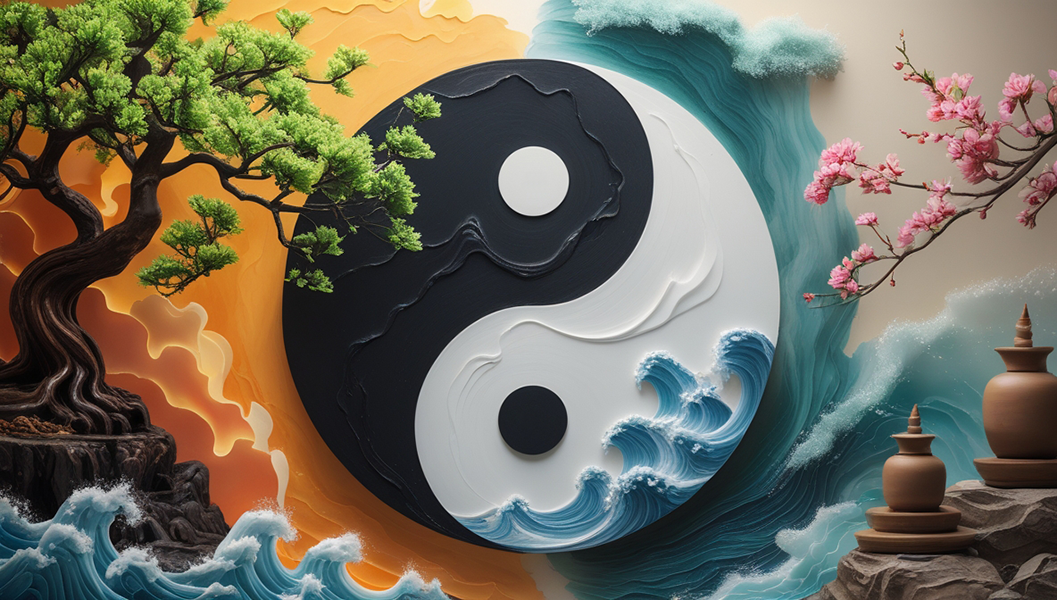
- View health as a balance between Yin and Yang
- Address root causes rather than just symptoms
However, how they interpret and apply these principles differs significantly.
What Is Traditional Chinese Medicine (TCM) Acupuncture?
TCM Acupuncture is the broader and more commonly practiced system worldwide. It evolved from classical Chinese medicine and integrates thousands of years of clinical observation and refinement.
TCM practitioners focus on identifying patterns of imbalance such as:
- Qi deficiency
- Blood stagnation
- Dampness or phlegm accumulation
- Excess heat or internal cold
- Organ system imbalances
Treatment is based on diagnosing these patterns through pulse reading, tongue observation, symptom analysis, and health history.
TCM Focus:
- Physical symptoms
- Organ system balance
- Digestive health
- Pain management
- Hormonal regulation
- Sleep and immunity
TCM acupuncture is often highly practical and symptom-focused while still treating underlying causes. It is commonly used for pain, stress, digestion, fertility, migraines, autoimmune conditions, and more.
What Is Five Element Acupuncture?
Five Element Acupuncture is a classical and more spiritually oriented branch of acupuncture rooted in ancient Daoist philosophy. It centers on the Five Elements:
- Wood
- Fire
- Earth
- Metal
- Water
Each element corresponds to organ systems, emotional patterns, personality traits, and life themes.
Rather than focusing primarily on symptoms, Five Element practitioners identify which element in a person’s constitution is out of balance. Treatment aims to strengthen that core element and restore harmony at a deeper emotional and energetic level.
Five Element Focus:
- Emotional patterns
- Constitutional imbalance
- Spiritual alignment
- Personality tendencies
- Deep-rooted life stress
Five Element Acupuncture is often described as transformative rather than simply corrective.
Key Differences Explained
1. Primary Focus
TCM Acupuncture: Focuses on diagnosing and correcting specific physical imbalances.
Five Element Acupuncture: Focuses on the underlying constitutional imbalance affecting the whole person.
2. Symptom vs Root Emphasis
TCM treats the root and branch, meaning it may directly address physical symptoms while also correcting underlying patterns.
Five Element goes even deeper into the emotional and spiritual root of imbalance, often working beyond physical symptoms.
3. Emotional Work
In TCM, emotions are linked to organ systems, but they are one part of a broader diagnostic picture.
In Five Element Acupuncture, emotional health is central. Each element carries emotional themes:
- Wood → Anger, frustration
- Fire → Joy, anxiety
- Earth → Worry, overthinking
- Metal → Grief, letting go
- Water → Fear, willpower
Five Element practitioners pay close attention to voice tone, facial color, emotional expression, and subtle energetic cues.
4. Treatment Frequency and Style
TCM treatments may involve more acupuncture points per session, targeting multiple organ systems.
Five Element treatments often use fewer needles with very intentional placement, focusing on strengthening one primary element.
5. Experience During Treatment
People often describe TCM acupuncture as:
- Grounding
- Physically relieving
- Stabilizing
- Supportive
People often describe Five Element acupuncture as:
- Deeply clarifying
- Emotionally releasing
- Insightful
- Transformational
Both can be gentle and relaxing — the difference lies in depth and emphasis.
Which One Is Right for You?
You may prefer TCM acupuncture if:
- You have clear physical symptoms
- You want targeted support for digestion, pain, hormones, or sleep
- You prefer a structured, clinical approach
You may resonate with Five Element Acupuncture if:
- Stress feels deeply emotional or existential
- You feel stuck in repeating life patterns
- You want deeper self-awareness and emotional healing
- Physical symptoms seem connected to long-term stress
Many practitioners integrate both styles, blending practical TCM diagnostics with Five Element depth.
The Bigger Picture: They Are Not Opposites
It’s important to understand that Five Element Acupuncture is not separate from Traditional Chinese Medicine — it is a classical expression within the broader system.
Both aim to restore balance.
Both work with Qi.
Both treat root causes.
Both support long-term wellness.
The difference lies in lens and emphasis.
Final Thoughts
Five Element Acupuncture and Traditional Chinese Medicine Acupuncture are two powerful expressions of the same ancient healing wisdom. One leans more toward structural and physiological balance; the other leans more toward emotional and constitutional harmony.
Ultimately, acupuncture is not about choosing the “right” style — it’s about finding the approach that aligns with your current needs.
Whether you’re seeking relief from physical discomfort, emotional clarity, or a deeper reconnection with yourself, both systems offer meaningful pathways to balance, resilience, and whole-person healing.
